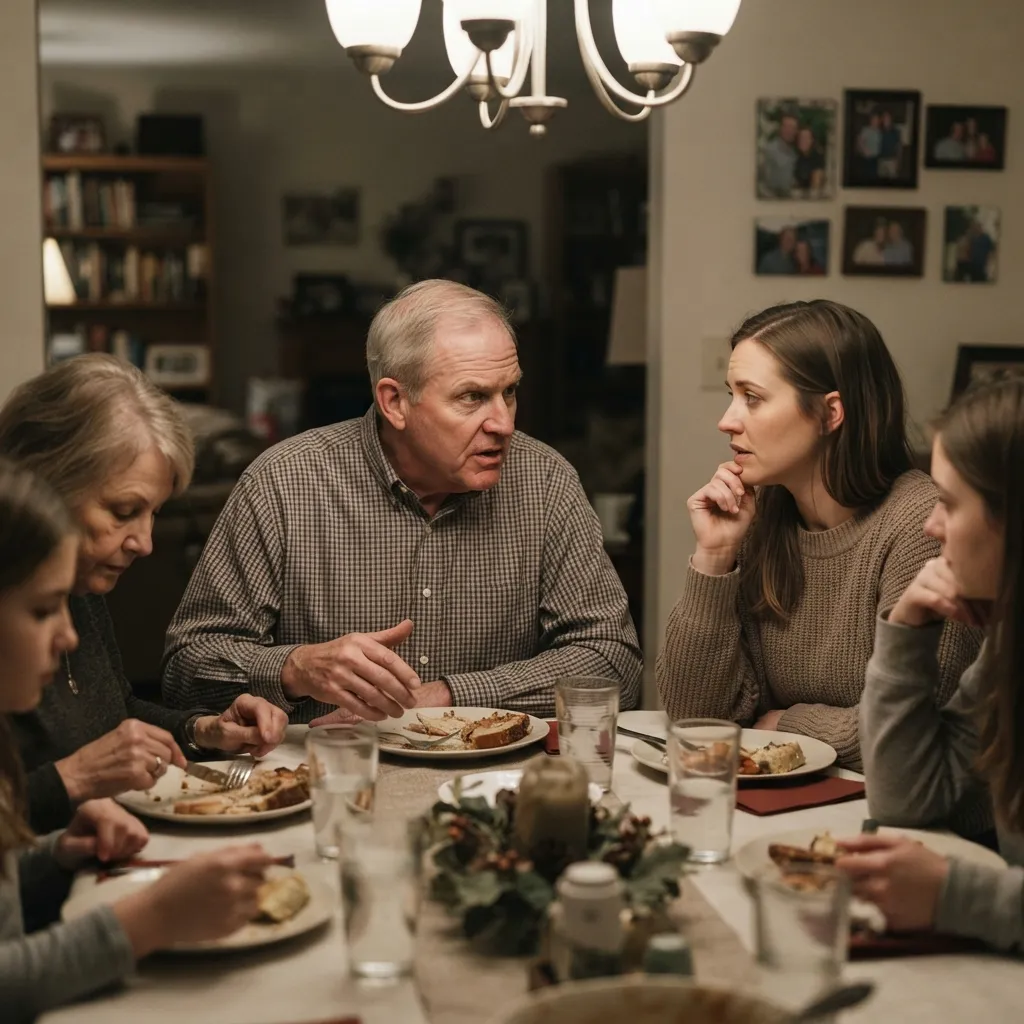
For too long, white liberals have developed a habit of avoiding political conversations with their own families, opting instead to distance themselves from conservative relatives rather than engage in difficult dialogues. This tendency toward avoidance has created a cultural chasm where Democrats are statistically more likely to end relationships over politics than their Republican counterparts. However, a recent shift in voter data suggests that the window for reconciliation is opening. For the first time in decades, midterm exit polls show white voters splitting nearly evenly between parties, signaling that the ideological divide may be narrower than many assume.
There is a historical precedent for why this outreach matters. Looking back to 1964, when a majority of white voters supported a Democratic president, the United States saw an explosion of landmark legislation including the Voting Rights Act and Medicare. Today’s progressive movement often focuses its strategic energy on mobilizing minority voters to combat systemic injustice, yet there remains a glaring blind spot regarding the responsibility of white liberals to persuade their own peers. Relying solely on marginalized communities to dismantle oppression ignores the fact that these challenges must be addressed within the communities where they originate.
Recent electoral successes offer a roadmap for how to bridge this gap without descending into conflict. Winning candidates in traditionally red areas have found success by ditching academic jargon in favor of common sense and localized values. By emphasizing shared roots and expressing genuine empathy for rural struggles—focusing on healthcare access and land protection rather than partisan talking points—these politicians proved that identity and geography do not have to be barriers to political alignment.
As another holiday season approaches, the challenge for white liberals is to enter family gatherings not as critics or outsiders, but as neighbors. Whether it is framing social justice through the lens of faith or focusing on shared formative experiences, the goal is to move away from disdain and toward connection. If lasting societal change is truly the objective, it cannot happen through isolation; it requires the courage to stay at the table and convince those closest to them that progress benefits everyone.