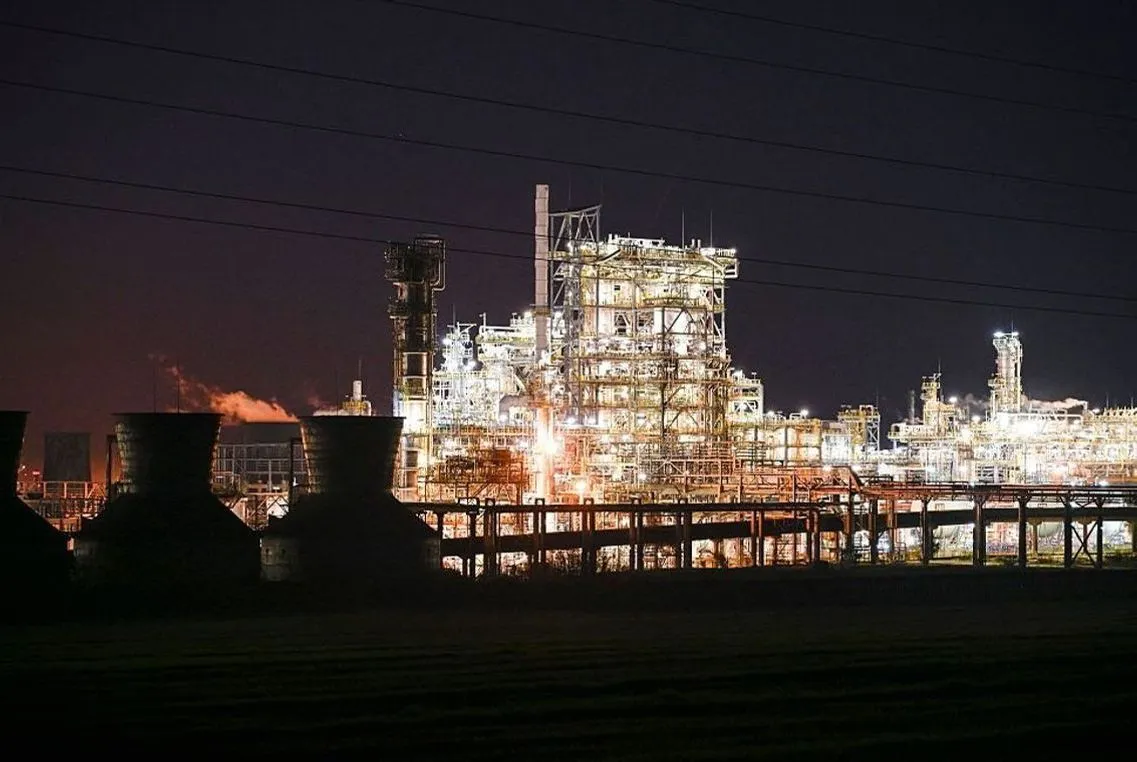
A high stakes gamble to seize control of Russian energy infrastructure has sparked a firestorm on Capitol Hill after billionaire Todd Boehly and his firm Eldridge Industries announced a plan to acquire the global subsidiaries of Lukoil. The proposed deal involves a complex consortium that includes the U.S. International Development Finance Corporation along with partners from the UAE and Xtellus Partners. At the center of the acquisition is Lukoil International GmbH, the Austrian based arm of Russia’s largest private oil producer, which has been under intense pressure since Western allies imposed sanctions following the invasion of Ukraine.
To navigate strict legal barriers, the group plans to execute a share swap rather than sending liquid capital into Moscow. Under the terms disclosed by Eldridge, Lukoil would trade its total equity in the international subsidiary for restricted shares in various Russian firms. To ensure no immediate funds benefit the Kremlin, any sale considerations would be locked in a restricted custodial account for five years or until current sanctions are officially lifted, effectively severing the parent company from its overseas operations once the deal closes.
Despite these safeguards, the announcement has drawn sharp condemnation from political figures who view the move as an implicit lifeline to Russia. Representative Gregory Meeks expressed outrage over a federal agency taking an ownership stake in such a portfolio while conflict persists in Ukraine, suggesting that the administration is undermining its own strategic goals. This sentiment was echoed across social media by strategists like Jessica Tarlov, highlighting a growing divide over whether such acquisitions represent tactical brilliance or moral failure.
The future of the transaction now rests entirely with regulators at the U.S. Treasury Department’s Office of Foreign Assets Control. While proponents likely argue that removing these assets from Russian influence strengthens Western security, critics maintain that any association with Lukoil during wartime is unacceptable. As OFAC reviews the proposal, the debate reflects a broader tension between corporate opportunism and the geopolitical necessity of maintaining economic isolation against Moscow.