In this article
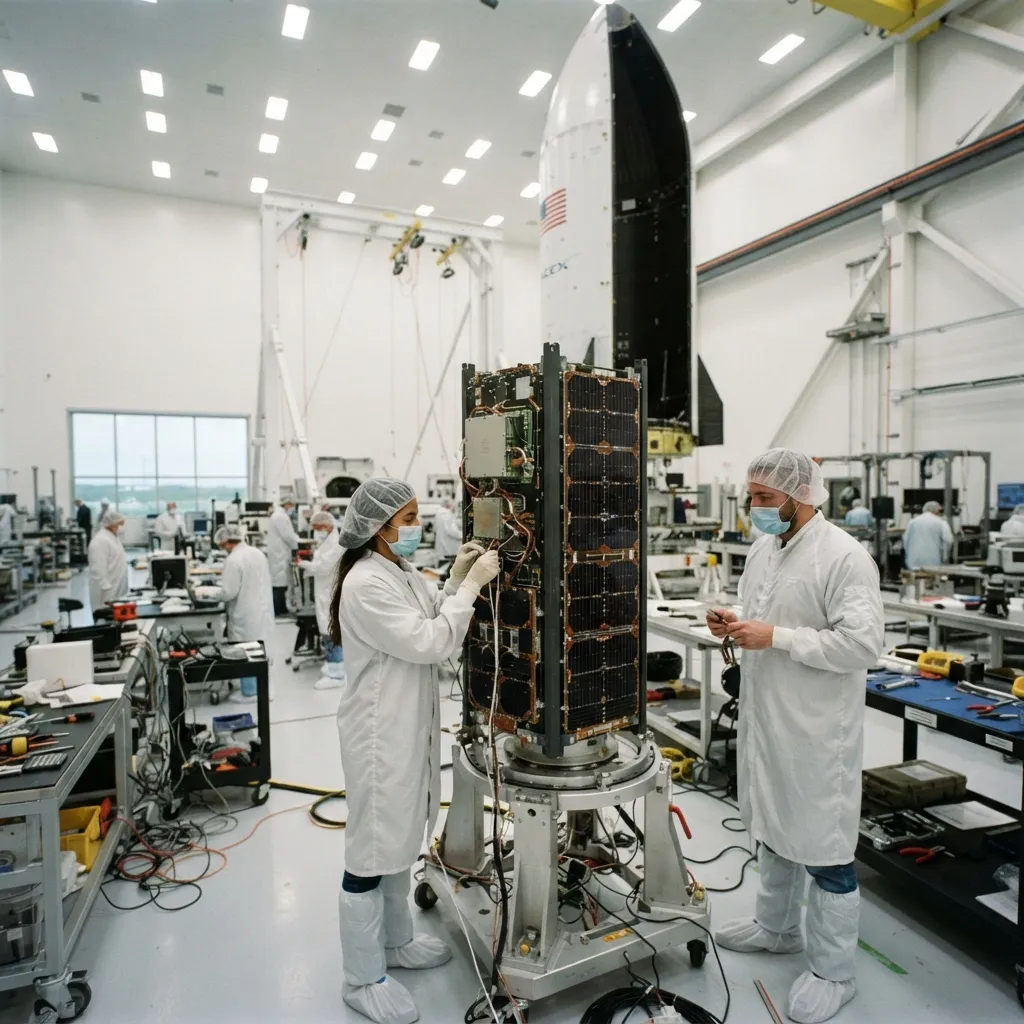
The Trump administration has given SpaceX a sweeping green light to launch up to one million satellites designed to function as orbiting data centers. Known as the Starmind constellation, these orbital compute modules are intended to process staggering amounts of data for artificial intelligence applications on Earth while leveraging direct solar energy. FCC Chairman Brendan Carr described the authorization as a historic step in the global race toward super intelligence, suggesting that moving computation into space opens a bold new frontier for American technology.
Under the terms of the agreement, Elon Musk’s company must establish at least one operational space station by 2033, with a gradual rollout continuing through 2040. Proponents of the plan argue that shifting data processing away from the planet will relieve immense pressure on terrestrial power grids and eliminate the need for water intensive cooling systems used in traditional server farms. By tapping into the unfiltered power of the sun, SpaceX aims to bypass some of the most restrictive resource constraints currently facing AI development.
However, many members of the scientific community view the ambitious proposal as little more than a fantasy. Astrophysicists warn that basic physics may render the project impossible, noting that while space is cold, its vacuum acts like a thermos and traps heat within hardware. Experts argue that radiating enough thermal energy away from a million active processors would be prohibitively expensive and technically daunting, regardless of how many satellites are deployed across low Earth orbit.
Beyond technical doubts, critics are sounding alarms over the potential for catastrophic space debris and atmospheric pollution caused by frequent launches. Organizations like the American Astronomical Society expressed dismay over the decision, warning that thousands of bright objects streaking across the horizon would permanently pollute the night sky and hinder astronomical research. Despite receiving numerous petitions to block the plan from competitors like Amazon and Viasat, the FCC maintains that the mission serves the public interest and falls within existing orbital safety guidelines.
Get stories like this before the bell
Overnight moves and what to watch today, in a five-minute read. Free, every weekday.